
Newsletter Subscribe
Enter your email address below and subscribe to our newsletter
Enter your email address below and subscribe to our newsletter

 Byadmin
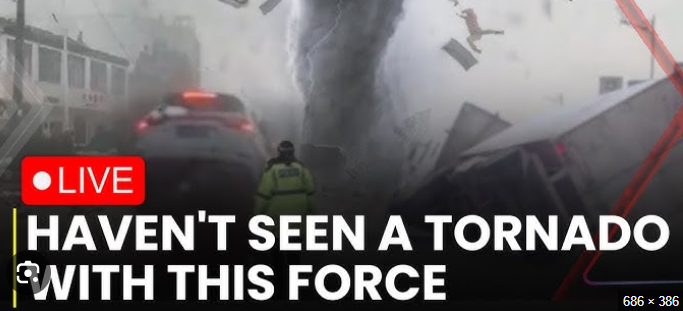
A violent tornado shattered parts of Paraná late Friday, leaving six dead, over 400 injured, and about 1,000 people displaced. While emergency teams clear roads and restore power, the economic ledger is already forming: direct physical damage to homes and small businesses in Rio Bonito do Iguaçu, infrastructure outages across nearby Guarapuava, and a regional disruption whose costs will cascade from public budgets to private balance sheets. Local authorities said more than half of Rio Bonito do Iguaçu’s urban area was damaged, though full assessments are ongoing. Officials warned that final figures could change as rescue and recovery operations continue.
With winds estimated at 180–250 kph, the storm stripped roofs, collapsed structures, and snapped distribution lines—classic drivers of high claims severity. Expect a surge in indemnity costs for property, auto, and commercial policies. Where households are under-insured or informal commerce dominates, losses shift onto municipal coffers and humanitarian channels, prolonging recovery.
Blocked roads and damaged power lines elevate logistics costs and interrupt just-in-time inventories. For agribusiness and light manufacturing in the region, each day of disrupted haulage compounds: shipments miss windows; labor hours are lost; spoilage risk increases if cold storage is compromised. Power restoration speed will determine whether outages translate into inventory write-downs or merely deferred production.
Federal officials—Gleisi Hoffmann and Adriano Massuda—headed to the impact zone as President Lula pledged aid. In practice, that means emergency transfers for debris removal, temporary shelter, healthcare surges, and grid repair. Post-event, municipalities may need concessional financing for resilient rebuilding (roof tie-downs, wind-rated materials, undergrounding critical lines), turning disaster spending into future risk reduction rather than simple replacement.
If claims concentrations cluster in a few ZIP codes, local carriers’ catastrophe aggregates could trigger reinsurance attachments. Given the season’s broader convective volatility, retrocession pricing may firm, and deductibles could reset higher for 2026 renewals. Parallel public-sector risk pools (if activated) can smooth fiscal shocks but require credible damage assessments within days, not weeks.
The near-term challenge is cash flow. SMEs will need bridge financing to replace inventory and repair premises; households require grants or microloans for roof and wall fixes. Timely digital disbursements—paired with no-fee accounts—can accelerate recovery multipliers locally (hardware, transport, skilled labor). Delays convert physical damage into persistent economic scarring.
Events like Paraná’s tornado are not statistical outliers to be ignored in planning; they are inputs. Municipalities can monetize resilience via lower future losses: enforce wind-rated standards, fund community shelters with backup power, and prioritize substation hardening. For investors, the signal is clear—where climate volatility meets infrastructure gaps, operating risk becomes valuation risk.
Bottom line: The humanitarian emergency is immediate. But measured in quarters, not hours, the winning strategy is to convert emergency spend into resilient capex—so the next storm is a line item, not a headline.