

Europe’s already strained semiconductor supply chain is facing a new, highly complex rupture as major customers of Nexperia—the Chinese-owned Dutch chipmaker—move to engineer a temporary workaround to keep critical automotive components flowing. According to sources familiar with the discussions, automakers and Tier-1 suppliers are now exploring an unusual, multi-step procurement model designed to bypass an escalating dispute between Nexperia’s European manufacturing operations and its packaging plant in Dongguan, China.
Nexperia, a key supplier of power management chips, diodes and transistors used across the global automotive sector, has been caught in a geopolitical vise since the Dutch government moved to seize operational control of its European division earlier this year amid concerns over technology transfer. The intervention strained relations with Nexperia’s parent company, Wingtech, and fractured the internal flow of materials between the firm’s EU and China operations.
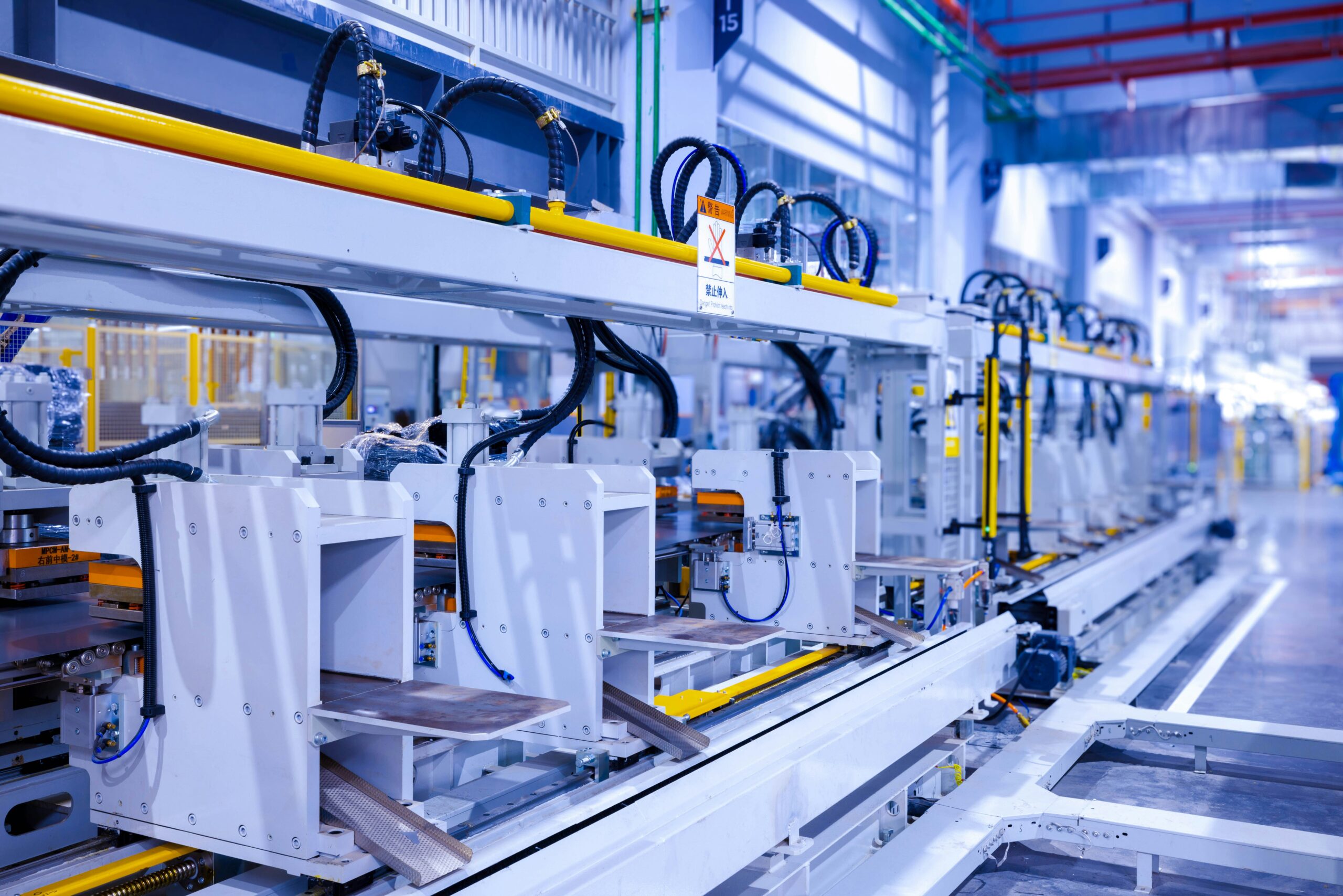
Under normal conditions, Nexperia produces wafers in Europe—primarily at its Hamburg facility—which are then shipped to Dongguan for cutting, packaging and final testing. But Europe has halted wafer shipments to China due to the standoff, citing unresolved payment issues and regulatory pressure. As a result, Dongguan has been operating mostly on stockpiles, which industry sources say could be depleted within weeks.
To prevent a deeper supply shock, some of Nexperia’s largest automotive customers are negotiating a workaround: purchasing wafers directly from Hamburg, transporting them independently to China, and then contracting the Dongguan plant for packaging. This approach effectively treats Nexperia as two separate companies—one wafer producer and one independent contract packager—bypassing corporate conflict and regulatory obstacles.
Sources emphasized that this is only viable for large automakers with sophisticated logistics capabilities and the financial scale to secure exclusive wafer allocations. Smaller suppliers, especially those relying on spot-market chips, may be unable to adopt the workaround, leaving them more vulnerable to upcoming shortages.
While Reuters has not confirmed which companies are pursuing the arrangement, Nexperia’s customer base includes the largest names in the industry, such as Volkswagen, Honda, Bosch, Hella and Aumovio. Even small interruptions in supply at this level can ripple through global production lines.
The situation highlights a broader, structural challenge in the semiconductor sector: long, fragile supply chains that rely on precise cross-border coordination. For the automotive industry—currently transitioning into a high-voltage, software-heavy future—Nexperia’s basic but essential chips remain irreplaceable in many designs. Analysts warn that replacing them with equivalents from rivals like Onsemi or STMicroelectronics would require engineering changes, new testing cycles and potentially regulatory recertification.
Some automakers are exploring those alternatives, but industry experts describe them as “secondary options,” slow to implement and costly for high-volume production lines.
Meanwhile, both sides of Nexperia’s corporate divide are drawing up contingency plans. The European division is evaluating expanded packaging operations in Malaysia and the Philippines, which could reduce dependence on China. The Chinese division, for its part, is exploring sourcing non-European wafers—likely from domestic Chinese suppliers—to keep its fabrication lines active independently.
The geopolitical backdrop adds further complexity. China temporarily relaxed export controls on certain Dongguan-made chips this week in a gesture aimed at relieving pressure on global automakers. At the same time, a Dutch delegation is scheduled to travel to Beijing for talks in hopes of stabilizing Nexperia’s fractured operations. Industry experts say that without diplomatic progress, both sides face the prospect of permanent supply chain realignment.
For now, the workaround offers only partial relief. It requires complex logistics, new contractual structures, and raises questions about quality control and intellectual property protections outside the company’s standard process. Even if implemented smoothly, wafer transport and external packaging extend lead times—putting more stress on an industry already grappling with recurring chip shortages since 2020.
Nexperia acknowledged it is “working to support customers in every way it can” but did not comment on the specifics of the workaround. Wingtech declined to comment.
The stakes are high: these are not high-dollar, cutting-edge semiconductor nodes but commodity parts—diodes, regulators, power drivers—that act as foundational elements across a vehicle’s electrical architecture. A shortage of even one such component can halt assembly lines entirely.
For automakers, the priority is clear: keep production running through any means necessary. But for policymakers in Europe and China, the dispute highlights the fragility of cross-border industrial dependencies. How quickly they can stabilize Nexperia’s operations—or whether they can at all—may shape semiconductor strategy across the European automotive sector for years to come.


